

Now Available! The Art of ChatGPT Interactions
Welcome to our Demo Hub! On this site you will find free access to our newest course, The Art of ChatGPT Interactions, as well as sample modules from some of our other courses. Jump right into the ChatGPT course, request your free trial and browse the sample modules below. Enjoy!
About the course:
Want to use ChatGPT but need some expert help?
This course is designed to help you build the skills and confidence you need to get the most out of generative AI tools such as ChatGPT.
Under the guidance of AI expert Leo Lo, you’ll master the art of prompt engineering, deepen your understanding of how ChatGPT works, and learn how a systematic approach can help you get better outcomes.
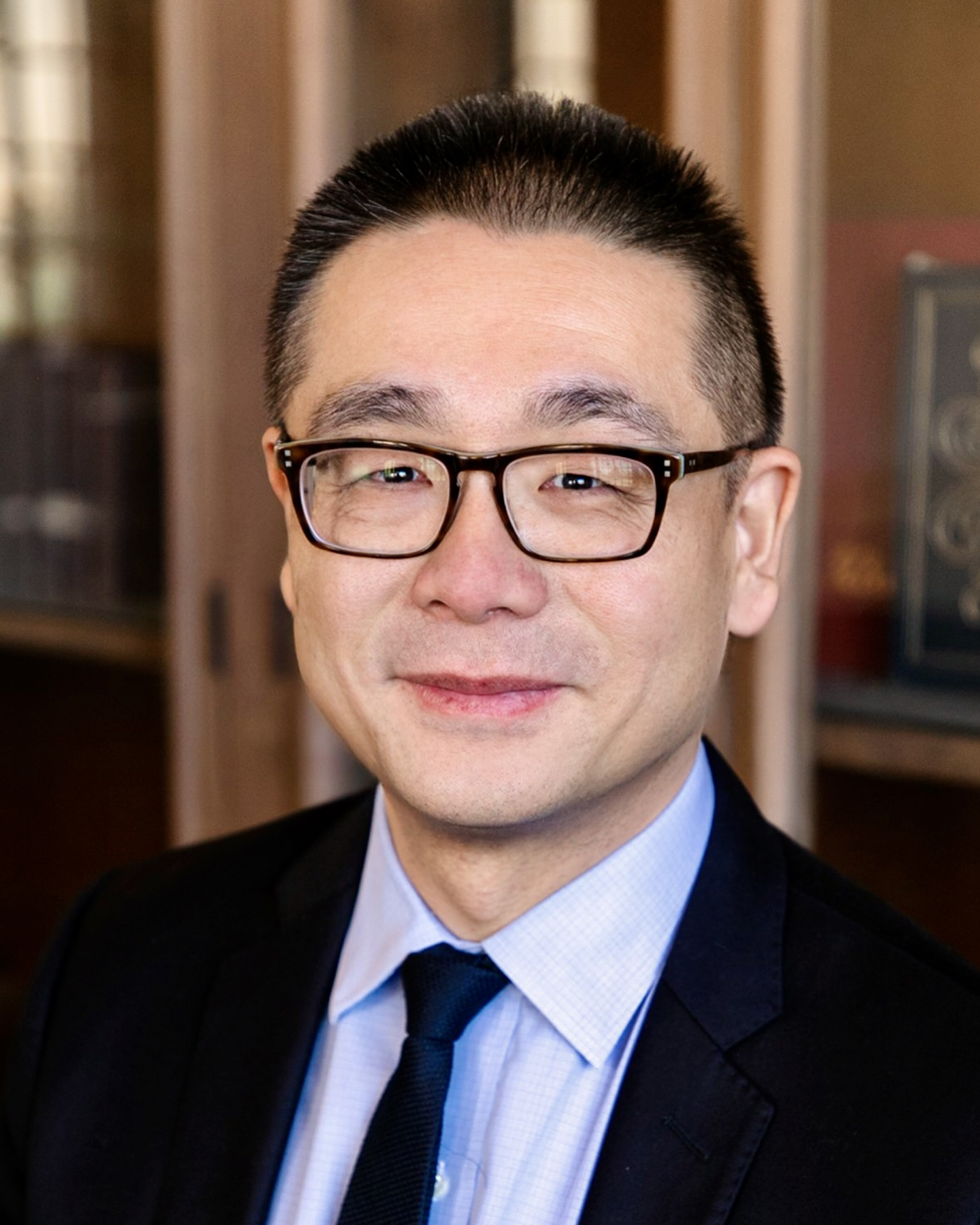
About the course instructor:
Dr. Leo S. Lo serves as the Dean and Professor at the College of University Libraries and Learning Sciences at the University of New Mexico.
He is also the President-Elect of the Association of College & Research Libraries (ACRL).
His work centers on integrating AI into library services and advancing AI literacy.
-
About the Demo Hub
About the Demo Hub
Sage Campus supports the teaching and learning of essential skills, often not covered in class, but that every student and researcher needs to thrive in their academic study, from critically assessing information to handling and publishing data. All courses are self-paced and instructor-led, comprising an engaging mix of Sage-quality content, video, and formative assessments.
Want to see what else we offer?
You can try out some sample modules for other Campus courses by using the links below. This represents a small selection of our full course suite.
Want to check out all courses in full?
Sage Campus is available for library subscription or purchase only. Recommend Sage Campus to your institution if you would like access.
Want a free trial for your institution?
30-day institution-wide trials to Sage Campus are set up via the library. Librarians or decision-makers can request a free trial and faculty members can recommend us directly to your library.
-
Try other modules here
Try other modules here

About the course: This course teaches easy ways to nail basic numbers and gives an understanding of why this is important. It explores the relationships between numbers and how this underpins all quantitative research. It will develop an understanding of fractions, percentages, and ratios - and teach learners to use these to evaluate data and make comparisons.
About the free module: In the free module you'll learn how to describe and manipulate fractions of a number and use this knowledge to make comparisons.
About the course instructor: John MacInnes is emeritus professor of Sociology and Statistics at the University of Edinburgh, a Fellow of the Academy of Social Sciences and a Chartered Statistician.

About the course: Equips learners with the confidence, skills and communication strategies to present their research in an impactful and meaningful way.
About the free module: How important is it to know your audience? Understand how and why to identify your audience and employ appropriate ways to identify your audience and what impact this will have.
Instructor: Dr Zina O’Leary. Zina is an internationally-recognized leader in research methodologies and a Senior Fellow at the Australia and New Zealand School of Government.

About the course: This practical course will help you gain the knowledge and skills to use R for social science research, step-by-step.
About the free module: In the free module you will be introduced to essential R programming terminology and help functions, and gain confidence in setting working directories and using the R workspace. You will also be introduced to an R tool for reproducibility.
Instructor: Dr Andreea Moldovan. Andreea is a data scientist in the financial services sector and previously a Research Fellow at Exeter University. She has a background in sociology, social research methods, and survey methodology.
About the course: This course equips learners with an understanding of data management practices, providing tools and knowledge to manage data effectively and ethically, covering the strategies for organizing research data.
About the free module: This free module will look at the different strategies you may use to back up your data safely and efficiently, and evaluate where the best place is to store your data, and how to do so ethically. It will also be discussed how to appropriately protect your data and what it means to preserve data integrity.
About the course instructor: Dr Alessandra Vigilante is a Senior Lecturer in Bioinformatics at the Center for Stem Cells and Regenerative Medicine with a focus on genotype-phenotype interactions and data integration. She is actively involved in a great network of collaborations to develop multidisciplinary approaches to research efforts, working with faculty members within King's and other research institutes.

About the course: This course guides learners through the entire process of preparing a literature review by selecting and analyzing existing literature and structuring and writing a quality literature review. Most importantly, the course develops skills in using evidence to create and present an engaging and critical argument.
About the free module: This free module will go through the sections likely to be required in your literature review, what needs to be included in each, and how to write the different elements of a literature review.
About the course instructor: Dr Robert Thomas is currently a Lecturer (Marketing) at Aston Business School and his primary research interests and publications encompass Brand Management, specifically the areas associated with sponsorship, fandom, co-creation, and brand community.

About the course: This course provides guidance to help authors make informed decisions when researching different journals to publish in. It will give an insight into what journal editors are looking for, drawing on advice amd tips from actual journal editors.
About the free module: This free module looks at key considerations for authors when choosing a journal and what editors look for when evaluating the suitability of article submissions to their journal.
About the course: This course introduces the importance of appropriate resources, source credibility, and strategies for effective fact-checking.
About the free module: This free module will show you what fact-checking involves, and why considerations about credibility are so crucial when checking and evaluating sources. You'll learn techniques and strategies to help you more effectively identify different kinds of sources.
About the course instructor: Sarah Morris is a librarian, educator, and curriculum designer whose work focuses on critical information and media literacy, misinformation, civic engagement, student success, and library and information science education. She currently works as an instructional designer and consultant and is pursuing her PhD in Communication and Information Sciences from the University of Alabama.
Original Publication date: 03-2024Last Updated: 06-2024
